As we reviewed nearby closed sales with a Port St Lucie homeowner while standing in the renovated kitchen, he quickly raised a question about the homes behind those numbers.
We had to know their condition.
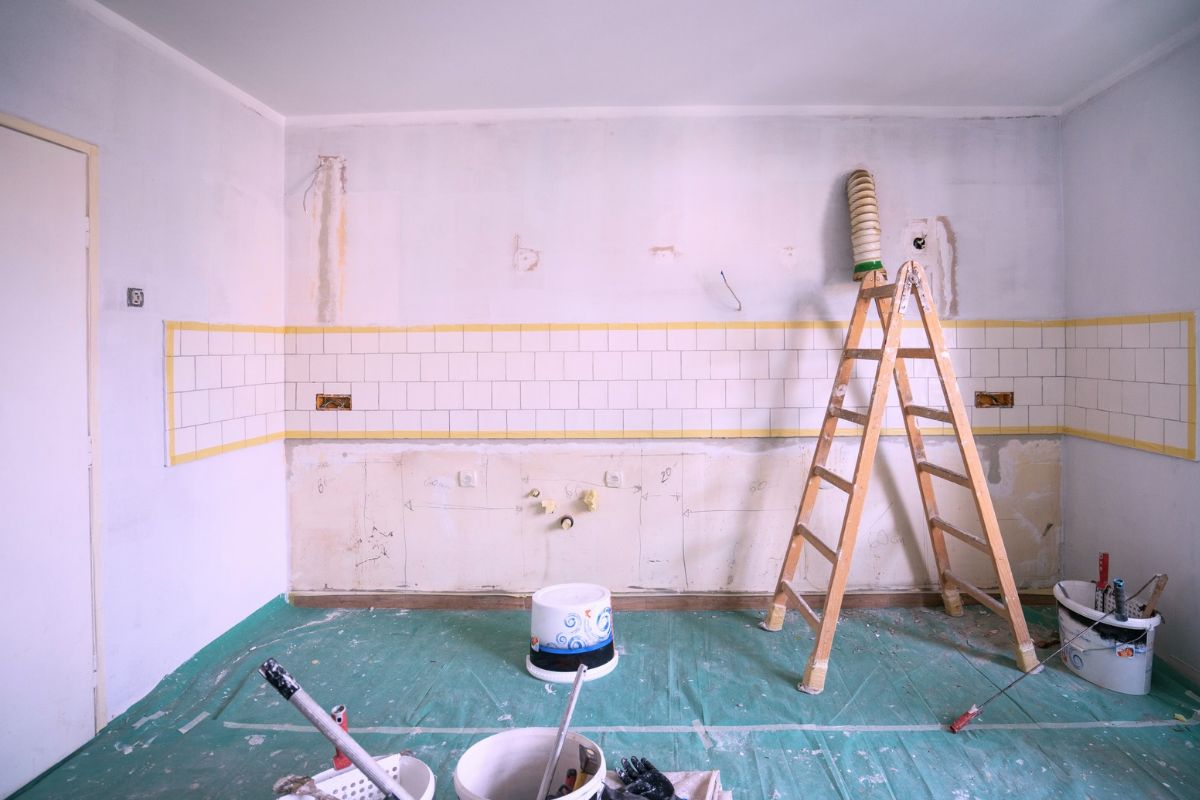
The seller understood how much a home could change with work. He described the property he had purchased as badly neglected, and proudly showed us his substantial improvements, including a tile backsplash in the kitchen. He was proud of the result and knew what he had invested.
The sale price he had in mind reflected that investment. Our market comparison work, however, supported a substantially lower range in pricing.
His response brought us to a question that comes up when pricing renovated homes: How much additional value do the improvements support?
A renovation can improve a home, make it more appealing, and help it sell for more without returning every dollar spent. Understanding why takes a closer look at what the owner improved and what the next buyer can choose.
What Are We Comparing When We Say “Condition”?
The homeowner’s point about condition was fair. A sale price and a square-footage figure tell only part of a property’s story.
Two similar homes can give buyers very different experiences. One may have multiple flooring surfaces, unfinished repairs, and an aging kitchen. Another may have completed repairs and carefully installed updates to modern design tastes. Buyers consider the work, expense, and disruption they could face after moving in.
But condition is a broad word.
It can describe how well a home has been maintained. It can refer to the age of the roof or air conditioning, the quality of a renovation, or whether the work feels complete. In conversation, people also use it to describe how current or appealing the finishes look.
Those details deserve separate consideration. A floor can be new, expensive, and well installed while still being something a buyer would choose to replace. A kitchen can have high-quality materials while another home offers a layout the buyer prefers.
That makes “ours is in better condition” the beginning of a pricing discussion. We still have to examine the differences and how much buyers appear willing to pay for them.
Some renovation spending brings a home back to the condition buyers expect at its price. Further upgrades may help it compete for a higher price, depending on the quality of the work and the other homes buyers can choose.
The Owner Remembers the Starting Point
For this homeowner, the change from the property he described buying to the home we visited represented substantial work. That progress helps explain his pricing expectation. He knew the expense and effort behind the finished result.
A buyer arriving for a showing sees the home as it stands today. They may have toured another property that morning and have two more scheduled for the afternoon. Each home gives them a different combination of space, features, condition, and price.
The seller’s before-and-after experience can be difficult to convey during that short visit. Even when buyers understand the scope of the work, they still have to decide which home gives them the most value for their money.
For a seller, this is a useful shift in perspective: How does the home we have finished compare with what buyers can purchase now?
Buyers Can Appreciate Quality and Still Choose Something Else
Flooring is a good example.
An owner may know the material, its cost, and why it was selected. A buyer may recognize that quality immediately. They also consider how it looks with their furniture, whether they enjoy the finish, and whether they would keep it.
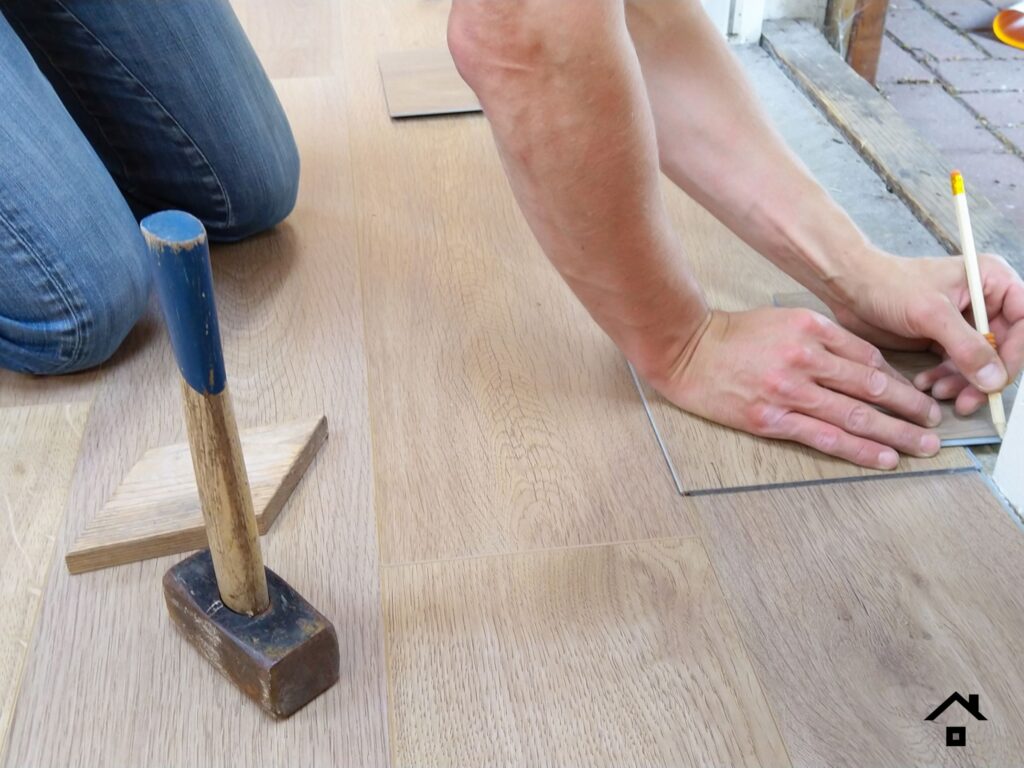
We made that choice ourselves when we bought our home. Before moving in, we replaced all the flooring in the main living areas and hallways, removing brand-new carpet and vinyl plank flooring. Even though it was new, we wanted something different for our home. Buyers looking at your renovations may be making similar plans and factoring that expense into what they are willing to pay.
Personal design choices can affect how many buyers share the owner’s enthusiasm for an improvement. This is especially relevant when the asking price assumes buyers will pay a substantial premium for those choices.
Your improvements can be worthwhile and well executed. Their contribution to resale value depends on how they fit within the whole property and the choices available to buyers.
How We Evaluate a Renovated Home’s Price
At this appointment, we considered nearby closed sales along with differences in living space, bathroom count, features, and condition. We visited the property to see the improvements firsthand.
After that review, the data still could not support the approximately 15%-20% premium the homeowner expected.
When we help price a renovated home in Port St Lucie, the work starts with understanding what was done. A list of improvements, dates, and available documentation helps us ask better questions and explain the home accurately.
We then look at the evidence around it. Recent closed sales show what buyers have paid. Active listings show the choices a new buyer will encounter. Photos and property details help us examine differences, although they cannot reveal everything about another home’s condition.
Price per square foot provides context within that review. Differences such as an extra bathroom, a newer roof, or a waterfront location require closer consideration.
Our explanation of a comparative market analysis and an appraisal offers more background on how these evaluations work.
The goal is to explain where your home fits on the market TODAY, which improvements strengthen its position, and what evidence supports the proposed asking price.
Putting Your Improvements to Work When You Sell
Once a pricing plan is established, buyers should be able to understand what your improvements offer them. Completed work may mean fewer projects after moving in. A redesigned kitchen may provide better storage or a more useful workspace. The benefits should be visible in the photos, description, and showing experience.
Our Fort Pierce story about presenting a home’s upgrades illustrates how we explain those benefits to buyers.
If you have already renovated, a pricing review can help you understand how the finished home competes. If you are considering more work before selling, that conversation can also help you evaluate whether additional spending is likely to improve your position.
You have firsthand knowledge of what went into your home. We can help you examine how that work contributes to its resale value.
Let’s Look at Your Home Together
If you are trying to understand how recent Port St Lucie sales compare with your renovated home, we can walk through the numbers with you.
We’ll discuss the improvements, review comparable properties, and explain a suggested pricing range so you can consider your next step.
Call or text 772-291-1592 to schedule a seller consultation with Chris and Brenda Walker, Casas De Walker Team, Keller Williams Port St Lucie.