If your listing expired, you can relist your home. The better question is what should change before it goes back on the market?.
Putting the same home back online with the same price, photos, and plan may lead to the same result. Before relisting, it helps to review what buyers saw, how the home compared with nearby choices, where interest dropped off, and what the market is telling you now.
After months of keeping the house ready, waiting for showings, and hoping for an offer, an expired listing can feel exhausting. Le us walk you through the common reasons a home may not sell and the next steps you can consider before trying again.
Is your home still listed with another brokerage? Use this guide to prepare questions for your current real estate agent. We do not solicit properties that are currently under an exclusive listing agreement.
Your First Next Step to Action
If your home was listed and did not sell, the next step is usually a review before another relaunch.
We have sat with Port St. Lucie and other Treasure Coast (Florida) homeowners after a listing expired. Most of them are asking the same quiet questions: “What went wrong?” and “Now What?”
Sometimes they are frustrated. Sometimes they are embarrassed. Sometimes they liked their previous agent, but they know the plan did not work. Our job is to slow the conversation down, look at the facts, and help owners decide what should happen before the home goes back on the market.
Before you reduce the price again, change agents, or put the home back on the market with the same plan, take a closer look at what happened.
That is why we offer a Home Value and Relist Review, where we walk through the listing history, current market conditions, buyer activity, presentation, pricing, and possible changes before your next move. The goal is simple: help you understand why the home did not sell and what should be adjusted before trying again.
Request your Home Value and Relist Review, and we will help you sort through the next steps to get your home SOLD.
Before You Relist, We Review:
Price, photos, marketing, buyer feedback, showing activity, competing homes, and what should change next.
Watch: 5 Reasons Your Port St. Lucie Home Did Not Sell
This short video gives a quick overview of five common reasons a home may fail to sell in Port St. Lucie.
If one of these sounds familiar, the next step is to review the full picture before relisting. Price, photos, marketing, buyer feedback, and the relaunch plan all work together.
1. Was the Home Priced for the Current Market?
Price is usually the first thing people think about when a home does not sell, but it should be reviewed with care.
A home can be priced well one month and feel high the next month if the market changes, buyer demand slows, interest rates move, or more homes come up for sale nearby. Buyers compare your home to everything else in their price range. If another home offers better condition, better photos, newer updates, or a stronger location for the same price, your home may get skipped before they ever schedule a showing.
In Port St. Lucie, this can change quickly because buyers often compare homes across several nearby areas at once. A buyer looking in one part of Port St. Lucie may also be looking in Fort Pierce, St. Lucie West, Tradition, Torino, or newer communities nearby. If another home gives them a better feeling for the same monthly payment, they may move on without saying much.
The real question is not only, “What did nearby homes sell for?” The better question is, “How does your home compete with the homes buyers are choosing right now?”
A good pricing review should look at active listings, pending sales, recent closings, price reductions, days on market, buyer activity, and the condition of your home.
It should also look at what happened during your last listing. Did buyers stop scheduling? Did they tour and choose another home? Did the home get attention after a price change?
In our pricing review, we point out the difference between what the home is worth to the owner versus what the market is showing buyers will pay.
That can be hard.
A seller may know the money spent on updates, the memories made in the home, the balance they want to walk away with, and the number that feels fair. Buyers are looking at a different question. They are comparing your home to the other homes they can buy right now.
When the seller’s number is higher than the buyer’s choices support, the seller can become the highest bidder on the house.
That is a tough sentence, and we do not say it lightly.
We have also seen sellers adjust their price to what the market says buyers are willing to pay at the moment – and boom! – an offer arrives.
When the market is pointing to one range and the seller is anchored to a higher number, the listing can sit, expire, relist, and expire again. It has happened on us a few times, because we hope the market will bring the higher number for waiting. Your home may still be a good home. The price may simply be asking buyers to choose it over stronger options.

Now What? Review the Price Against Today’s Competition
When you request your review with us, we will compare your price to the homes buyers are choosing right now.
That means looking at active listings, pending sales, recent closings, price reductions, condition, location, and buyer response from the last listing. If the market is pointing to one range and the seller is anchored to a higher number, the home may sit again.
This part of the review helps you decide whether the price needs to change, the presentation needs to improve, or both.
2. Did the Marketing Reach Enough Serious Buyers?
A home cannot sell if the right buyers never see it.
The MLS is important. It feeds many of the major home search websites and helps agents find homes for their buyers. But the MLS should be the starting point, not the whole plan.
A strong marketing review should ask how the home was presented, where it was shared, how often it was seen, and whether buyers responded. Did the listing photos stop people from scrolling? Did the description explain the value clearly? Was there video? Were there social media posts? Were local agents made aware of the home? Did online views turn into showings?
Marketing should create attention from buyers who are already looking and from buyers who may need the right home to catch their eye.
If the home was listed and very few people scheduled a showing, the issue may have started before buyers ever walked through the door. The online presentation may not have given them enough reason to visit.
We have seen Port St. Lucie and Fort Pierce homes go stale and expire with weak activity. But then receive stronger buyer response after the relaunch plan changed. In some cases, the difference was better pricing, better photography, video, clearer feature details, stronger online positioning, and a launch that gave buyers a better reason to pay attention.
Now What? Check Whether the Listing Reached the Right Buyers
Marketing should be reviewed by what it produced. Did the home get online attention? Did buyers schedule showings? Did agents ask questions? Did the photos, video, description, and social media give buyers a clear reason to notice the home?
This part of the review helps identify whether the relaunch needs stronger photos, better feature details, more exposure, or a clearer story for the home.
3. Did the Photos and First Impression Help Buyers Say Yes?
Buyers often decide whether a home is worth seeing before they ever walk through the front door. They look at the photos, the price, the first few lines of the description, the map location, the room layout, and the condition they can see online. In a few seconds, they decide whether to keep looking or move on to the next home.
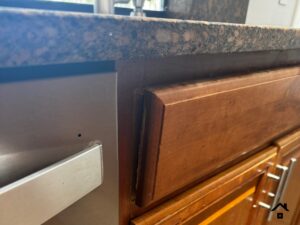
Your home can have good space, a good floor plan, and a good location, but still lose buyers if the photos are dark, the rooms feel cluttered, the curb appeal looks tired, or small repair issues stand out. When they show up to see your home in person, loose flooring, stained carpet, missing light bulbs, damaged blinds, dirty corners, weeds in the driveway, and worn paint can all change how buyers feel about the home.
Those items may seem small when you live with them every day. To a buyer, they can raise questions.
Buyers may wonder how well the home has been maintained. They may start adding up repair costs in their head. They may compare your home to another one that feels cleaner, brighter, and easier to move into.
We often tell sellers that buyers add zeros in their head. A missing light bulb, loose flooring, stained carpet, damaged blinds, weeds in the driveway, or sloppy paint work may feel small by itself. Together, those details can make buyers wonder what else has been missed. Small details can shave dollars off a house below an offer they feel comfortable making.
Now What? Walk Through the Home Like a Buyer
When we meet you at your home and before goes back on the market, we can point out the details buyers will notice first.
That may include curb appeal, lighting, flooring, paint, odors, clutter, repairs, landscaping, and how the home feels in the first few minutes of a showing. Buyers often make quick judgments, then use the rest of the showing to confirm what they already feel.
This part of the review helps decide which small changes may help the home make a stronger first impression.
4. Did Showings Create Useful Feedback?
Showings can tell you a lot about how buyers saw your home.
The number of showings matters, but the response after those showings matters too. If buyers came through and did not make an offer, there may be clues in what they said, what they asked, how long they stayed, and which homes they chose instead.
Buyer feedback can point to price, condition, layout, location, updates, odors, repairs, showing access, or how the home compared to others in the same price range.
Sometimes the feedback is direct. A buyer may say the home felt too dated, the yard was too small, the road was too busy, or the price felt high for the condition.
Sometimes the feedback is quieter. Buyers may tour the home and then disappear. They may come back for a second showing and choose another property. They may like the home online, then change their mind once they see it in person.
That still tells a story.
The goal is to look for patterns. One comment may be personal preference. Repeated comments deserve attention.
We have also seen sellers receive feedback that sounded vague at first. “The home felt dated.” “The buyer chose something else.” “They liked it, but they kept looking.” Those comments can feel frustrating, but when the same theme shows up more than once, it gives us something to review.
Now What? Look for Patterns in Buyer Feedback
Before you relist, review the showing history and buyer feedback.
We can look at how many showings the home received, what buyers said, what questions came up, and whether the feedback pointed to a fixable issue.
If the home had very few showings, the issue may be pricing, photos, marketing, or buyer demand. If the home had showings but no offers, the issue may be presentation, condition, competition, or perceived value.
The goal is to turn buyer feedback into a better relaunch plan.
What We Have Seen With Homes That Did Not Sell
We have worked with sellers whose homes did not sell the first time and expired. They reached out to us looking for a better plan.
Some homes needed stronger photos. Some needed video. Some needed better feature details, better pricing, or a clearer explanation of why the home was worth seeing. Some had small condition issues that showed up in buyer feedback. Others had good features, but the previous listing did not help buyers understand them.
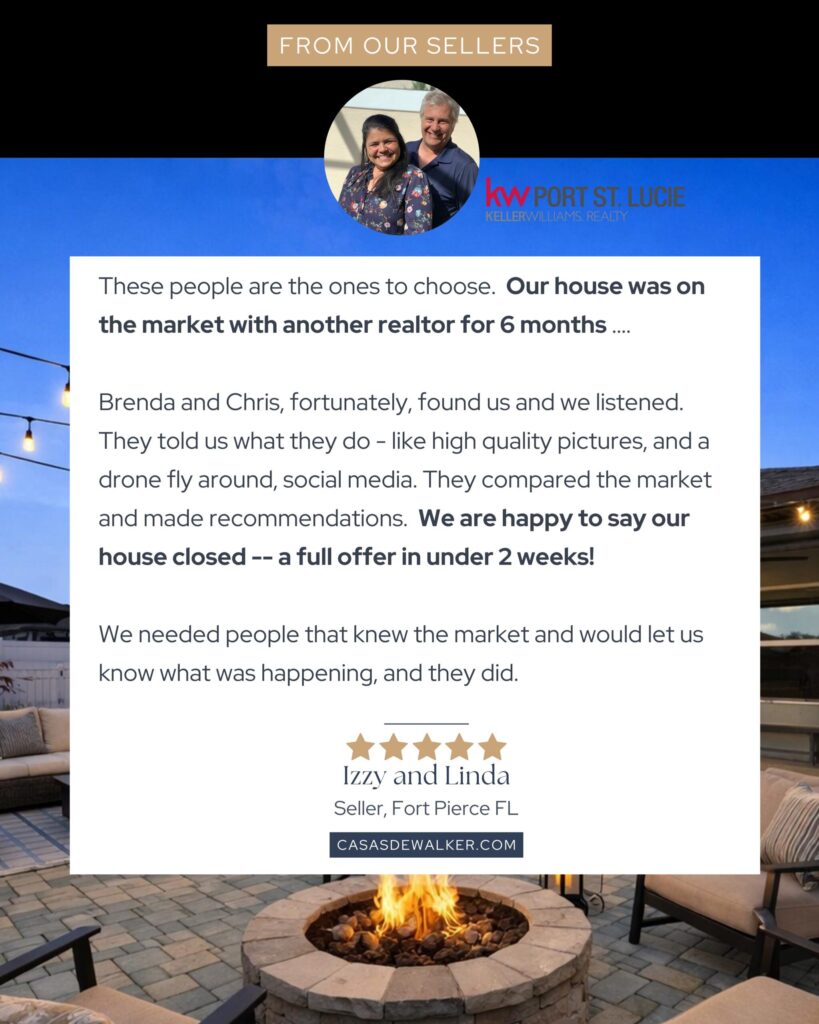
A recent Fort Pierce home had expired after months on the market. With a new plan, more realistic pricing, better presentation, video, and stronger marketing, it received a full-price offer in less than two weeks.
Every home is different, but the pattern is familiar. Before you relist, it helps to review what happened and decide what should change.
What Should Change Before You Relist?
When your home does not sell, the next step is a careful review before putting it back on the market. This is why we offer a personalized Pricing and Relaunch Review.
A relaunch should have a reason behind it. That reason may be a better price, stronger photos, clearer marketing, small repairs, better showing access, a cleaner presentation, or a different way to explain the home’s value to buyers.
Putting the same home back online with the same plan can lead to the same result. Buyers may remember the old listing, compare it to the new one, and wonder what changed.
That is why the relist plan matters.
Before your home goes back on the market, it helps to review the full picture:
- What happened during the last listing?
- How did buyers respond?
- How did the home compare to other homes for sale?
- What feedback came up more than once?
- What has changed in the market since then?
- What updates, repairs, incentives, or pricing changes should be considered?
The answers can help shape the next move.
See how we approach preparing, promoting, and responding to the market when we take a property to market.
Request Your Home Value and Relist Review
Let’s talk.
We can help you figure out why your home didn’t sell and how to revise your sales strategy and set your home up for success. The housing market has experienced a shift and the waters may be choppier than usual for a while. But there’s still plenty of opportunity in the current market: You just need a guide who knows where to look and how to find it.
That’s where we can help – it’s our promise to Walk With You through the sale of your home.