Selling inherited land in Port St. Lucie can be more emotional than people expect, especially when the property represents a family dream that never had the chance to become real.
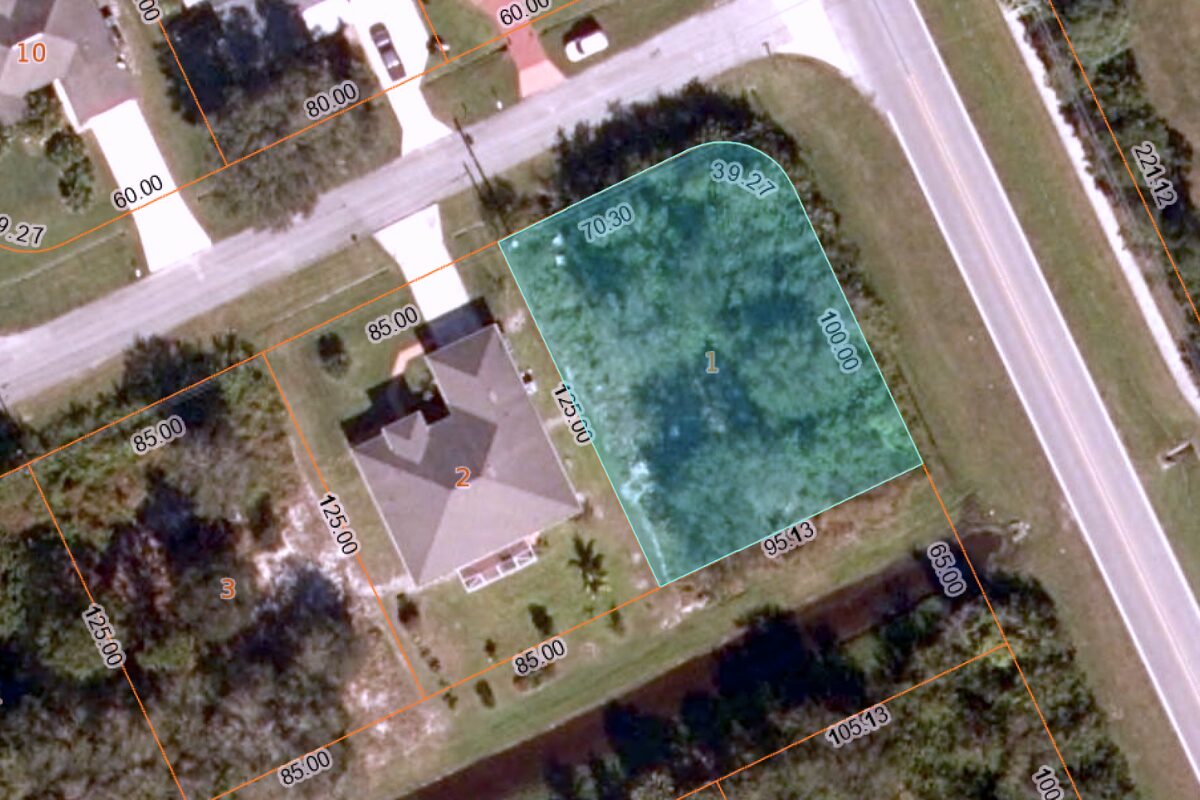
For one family, a vacant lot in Port St. Lucie had been part of the family story since 1994. Their father had plans, visions, and purpose for the property that he bought. Like many Port St. Lucie landowners from that era, he had purchased a piece of undeveloped Florida with an idea of what it might become one day.
For that dream, it was titled in his name, along with his two daughters. This was a “piece of Dad.”
But life moved on. Dad passed away. Daughters were now parents and grandparents themselves.
The daughters who inherited the land no longer lived in Port St. Lucie. In fact, they lived in different states. The land remained waiting in Port St Lucie, while the people connected to it had built their lives somewhere else.
That is one of the hard things about inherited land. From the outside, it may look simple. It is a vacant lot. There is no house to clean out. No roof to repair. No tenant to manage. No furniture to sort through.
But, for heirs, inherited land can still carry the emotional weight of family dreams to fulfill. There may be a parent’s plan attached to it. A core emotional memory. A deferred expectation of “One day, we’ll do it.”
But a question that keeps coming back every time the tax bill arrives — a quiet thought of, “What are we supposed to do with this now?”
For many owners, the question sounds familiar: what do we do with a property you no longer use in Port St. Lucie when life has moved somewhere else?
For these sellers, the property had already been through more than one attempt to sell. It had been listed before. That listing expired. There had also been an attempt through the wholesale route, but that did not bring the sale to the finish line.
By the time we connected, selling their inherited land was not a brand-new decision. It was a long-standing loose end. It needed a clear path forward.
When Vacant Land Carries a Family Dream
Vacant land can be surprisingly emotional.
A home is easier for people to understand. You walk through rooms. You remember meals, birthdays, holidays, or repairs that took too long. You can see the life that happened there.
Land works differently.
A vacant lot may hold the life someone hoped would happen there.
That was the emotional layer of this sale. The sellers were not simply making a financial decision about a piece of land. They were making peace with the fact that their father’s original plan would not be completed by the family.
That is a real moment.
Many inherited property owners reach this point slowly. For a while, keeping the property feels easier than making a decision. It can feel respectful. It can feel like preserving the possibility of the original dream.
Then years pass.
The owners live elsewhere. The property taxes continue. City code-enforcement notices may come. The market changes. Family members age. The next generation has different plans. And at some point, the question changes from “What could this become?” to “What is the wise thing to do now?”
That shift is where many sellers of inhertied land feel stuck.
Why Selling Inherited Land Can Feel Hard From Out of State
Selling vacant land from another state has its own set of problems.
You may not know what the lot looks like today. You may not know if neighbors have changed, if new homes have been built nearby, if the street feels busier than it once did, or if the city has issued notices about clearing.
You may not know what buyers are actually paying for similar land. Online estimates can be messy. County records tell part of the story, but they do not always explain why one lot sold higher than another.
And with vacant land, small details can affect value.
Is public water available? Is sewer available? Is the lot in a flood zone? Is there an HOA? Are there environmental concerns? Is the lot buildable? What will a buyer discover during due diligence?
For an out-of-state owner, those questions can feel distant and frustrating.
That is why the first job is to get oriented. We look at the property, the current market, the prior listing history, the likely buyer pool, and the practical issues that could affect the sale.
In this case, the sellers wanted the property handled. They had carried it long enough. They needed a plan that respected the family history but also faced the current Port St. Lucie land market honestly.
Out-of-state landowners also have to be aware of title and identity risks, which is why we’ve written about how to protect vacant land from fraud.
The Property Had Already Been Listed and Expired
An expired listing can feel discouraging, especially when the property is vacant land.
When a home does not sell, sellers often blame the photos, the price, the showing condition, or the market timing. With land, the feedback can feel even thinner. Buyers may not say much. Investors or wholesalers may make low offers. Online interest may go nowhere. A listing can sit, expire, and leave the owner with more questions than answers.
This lot had already been listed before and had expired. It had also been tried through a wholesale path. Neither route got the sellers to the closing table.
That history mattered, but it did not define the future sale.
A property that expired still has to be looked at with fresh eyes. The question is not simply, “Why did it not sell before?” The better question is, “What would make a real buyer take action now?”
For this lot, the answer came back to pricing.
Pricing the Lot to Bring Real Buyers
The biggest win in this sale was attractive pricing.
That may sound simple, but it is often the hardest conversation.
Sellers naturally want the highest number. Buyers want a reason to choose one lot over the others. The market sits between those two desires and tells the truth.
With vacant land, pricing has to create movement. A personal buyer may be looking at several lots at once. A builder may be running numbers based on resale and profit. An end user may be trying to understand the full cost of land, clearing, permits, utility connections, and construction.
If the price leaves no room for the unknowns, buyers hesitate.
The goal with this lot was to price it where the market would respond. We wanted real buyers, not just casual clicks. We wanted the listing to create enough interest that buyers would step forward, write offers, and begin the due diligence needed to move toward closing.
That is exactly what happened.
The lot went under contract in 13 days and received multiple offers.
For an inherited property that had already expired and failed to close through other attempts, that was a strong sign that the pricing was doing its job.
But the next part of the story is where vacant land reminds everyone to stay humble.
The Due Diligence Surprise: Gopher Tortoise Burrows
Once a real experienced and local buyer began due diligence, new information surfaced.
Gopher tortoise burrows were discovered on the property.
This was new information for the sellers. They lived out of state. They had not been walking the lot or watching conditions change over time. Like many vacant landowners, they were relying on the process to reveal what needed to be known.
In Florida, gopher tortoises are a protected species. Their presence can affect a vacant land sale because it may change the buyer’s timeline, costs, and building plan. It can also change the negotiation. It means everyone had to adjust to the facts.
A buyer doing real due diligence may discover things no one knew at the time of listing, particularly if prior attempts to sell never revealed these things. That can be frustrating, but it is also part of getting a land sale handled the right way.
The sellers had a choice. They could get stuck in the disappointment of new information, or they could keep working through the process.
They stayed steady.
The sale continued, the terms adjusted, and the lot closed at an adjusted price based on the risk of costs to eventually relocate gopher tortoises.
This was not the first time we had helped sellers through a land sale where protected wildlife concerns became part of the transaction. Here is another Port St. Lucie vacant lot sale involving gopher tortoise issues.
The Lot Still Closed
A smooth real estate story is nice, but many real transactions have a turn in the middle. This one did.
The sellers started with inherited land that had been in the family for decades. It had already expired as a listing. A wholesale attempt had not solved the problem. Then the new listing attracted multiple offers quickly, only for due diligence to uncover a protected wildlife issue that affected the path forward.
That is a lot for out-of-state sellers to process.
But the important part is this: the deal still closed.
The sellers got to the finish line. The land was sold. The long-standing family chapter was finally handled.
That matters because some inherited property owners feel like they have to know everything before they begin. They think they need every answer, every report, every estimate, and every possible problem solved before they can take the first step.
Just like real life, you start with what you know. You price the property for the market. You attract the right buyer pool. Then, as due diligence happens, you respond to the facts that surface.
That is what happened here.
What This Means If You Inherited Land in Port St. Lucie
If you inherited land in Port St. Lucie, your situation may be more complicated than it looks from the outside.
You may have emotional attachment to the property. You may live out of state. You may not know what it is worth in today’s market. You may have tried to sell it before. You may have received investor calls, postcards, or wholesale offers that left you unsure what the land is really worth.
You may also be carrying someone else’s dream.
That part deserves respect.
At the same time, holding land has practical costs and practical risks. Taxes continue. City requirements can come up. Market conditions change. Environmental issues may not be obvious until someone takes a closer look.
The lesson from this sale is not that every vacant lot will sell in 13 days. That would be too easy, and real estate rarely behaves like a vending machine.
The lesson is that inherited land needs a good plan, good pricing, and good local “boots on the ground” experience, not just any Florida real estate agent who won’t even drive to see the lot.
It needs local pricing. It needs honest positioning. It needs enough exposure to reach real buyers. It needs a process that can handle surprises. And it needs communication that helps out-of-state owners make decisions without feeling lost.
That is the kind of work we do.
Thinking About Selling Inherited Land in Port St. Lucie?
If you inherited land in Port St. Lucie and you are not sure what to do next, we can help you sort through the details.
Maybe the lot has been in your family for years. Maybe it was already listed and expired. Maybe an investor made an offer and you are wondering if it was fair. Maybe you live out of state and do not know what the property looks like today.
We can help you review the property, the market, the likely buyer pool, and the next steps.
Selling inherited land can be emotional, but it does not have to stay stuck.
If your inherited land has already been listed, expired, or left you unsure what to do next, we can help you review your pricing and next steps.
Related Reading for Inherited Landowners
If you inherited land, own a vacant lot from out of state, or already tried to sell once without success, these articles may help you think through the next step.